Theory of Knowledge: Interdisciplinary Subject in IBDP
Explore what subject Theory of Knowledge falls under in IBDP. Discover its interdisciplinary approach, the role of critical thinking, and global perspectives

Understanding the Theory of Knowledge Framework
The Theory of Knowledge (TOK) is a unique subject within the International Baccalaureate Diploma Programme (IBDP). It challenges students to reflect on the nature of knowledge itself.
TOK is not confined to a single academic discipline. Instead, it bridges various fields, encouraging an interdisciplinary approach.
Students explore different "Ways of Knowing," such as reason, emotion, and perception. This exploration helps them understand how knowledge is constructed.
The course also examines "Areas of Knowledge," including sciences, arts, and ethics. This broadens students' perspectives on how knowledge is applied.
TOK is integral to developing critical thinking skills. It encourages students to question assumptions and engage with diverse viewpoints.
Understanding TOK's framework is essential for appreciating its role in education. It prepares students for complex real-world challenges.
What is Theory of Knowledge (TOK)?
Theory of Knowledge (TOK) is a course designed to provoke thought and reflection. Part of the International Baccalaureate (IB), it prompts students to consider how knowledge is gathered and evaluated.
In TOK, students scrutinize the basis of claims and beliefs. They ask how we know what we assert as truth and explore various perspectives. This analysis helps them grasp the complex nature of knowledge.
The course encourages a deep inquiry into key epistemological questions. These questions often include:
-
What counts as evidence for a claim?
-
How can we judge the reliability of information?
-
What role does culture play in shaping knowledge?
Through a diverse set of exercises and assessments, TOK cultivates an understanding of how knowledge interplays across disciplines. It is neither a science course nor a humanities class. Instead, it's a lens through which students can view and relate to the world.

Where Does Theory of Knowledge Fall Within the IB Curriculum?
Theory of Knowledge (TOK) is central to the International Baccalaureate Diploma Programme (IBDP). It isn't a standalone subject but interweaves with others, forming an integral part of the curriculum framework. TOK inspires students to integrate their learning across various disciplines, fostering a holistic educational experience.
Students engage with TOK alongside the Extended Essay and Creativity, Activity, Service (CAS). This trio forms the IBDP core, encouraging critical engagement. Each component requires students to connect academic inquiry with real-world issues.
In the IBDP, TOK functions to enhance understanding of subjects' interconnectedness. Through this, students develop insights and skills vital for their academic and personal growth. The following key elements highlight TOK's curriculum role:
-
Promotes interdisciplinary understanding
-
Enhances reflective thinking
-
Stimulates appreciation for global perspectives
Ultimately, TOK enriches the IBDP journey, nurturing well-rounded, inquisitive learners ready to tackle complex questions. It emphasizes inquiry, reflection, and critical thinking in every academic endeavor.
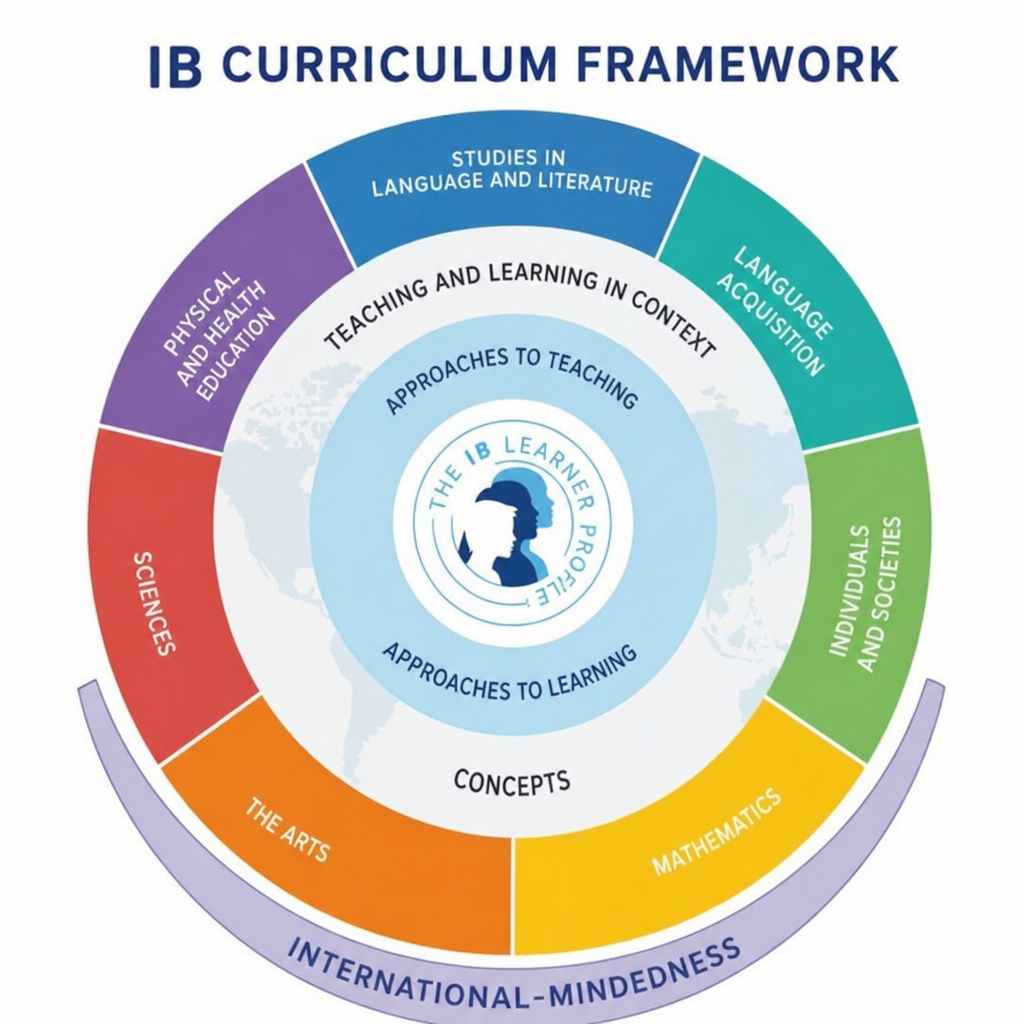
The Interdisciplinary Nature of TOK
Theory of Knowledge (TOK) seamlessly blends various fields, creating a truly interdisciplinary learning journey. It transcends traditional academic boundaries, drawing connections between distinct disciplines. This allows students to gain a comprehensive view of knowledge itself.
TOK encourages an exploration of how subjects like science, art, and history intersect. These connections help students appreciate diverse perspectives, thus enriching their understanding. By blurring disciplinary lines, TOK fosters a nuanced appreciation for the complexity of knowledge.
Central to this interdisciplinary approach are the "Ways of Knowing." These help students navigate through different Areas of Knowledge. They include:
-
Language and its influence on thought
-
Emotions and their role in knowledge formation
-
The use of reason across disciplines

Together, these elements create a rich, integrated framework that cultivates curiosity and critical thinking. Through TOK, students experience a learning process that values the interconnectedness of knowledge, preparing them for varied intellectual challenges.
Theory of Knowledge Ways of Knowing
The Theory of Knowledge framework identifies various "Ways of Knowing" as the tools humans use to acquire knowledge. These are essential components that help us navigate and interpret the world around us. Each offers a unique perspective and has its strengths and limitations in understanding knowledge.
Exploring these ways encourages students to reflect on how knowledge is constructed and evaluated. They include personal and shared experiences that shape our understanding. Recognizing these differences allows students to critically assess the reliability and validity of the information they encounter.
The "Ways of Knowing" include the following:
-
Language: How words shape thought.
-
Sense Perception: The role of senses in understanding.
-
Emotion: How feelings influence knowledge.
-
Reason: Logical thinking in knowledge acquisition.
-
Imagination: The creative process in forming ideas.
-
Faith: Beliefs that drive perceptions.
-
Intuition: Instincts in decision-making.
-
Memory: Recalling past experiences.

By examining these diverse methods, students gain critical insights into how knowledge is constructed, challenged, and appreciated across various contexts. This understanding enhances their ability to think deeply and critically about the world.
Areas of Knowledge in TOK
The Theory of Knowledge framework also involves "Areas of Knowledge," which are distinct categories that describe different disciplines of knowledge. These areas help students understand the scope and breadth of human inquiry and understanding. By examining these areas, students can appreciate the different methodologies and processes used to develop knowledge in each discipline.
Each area presents unique challenges and opportunities for gaining knowledge. Some rely heavily on empirical data and experimentation, while others focus on subjective interpretation and analysis. The exploration of these areas encourages a deep understanding of how knowledge is constructed within varying contexts.
The main Areas of Knowledge include:
-
Mathematics: Logical reasoning and abstract thinking.
-
Natural Sciences: Empirical investigation and analysis.
-
Human Sciences: Study of human behavior and societies.
-
History: Interpretation and understanding of the past.
-
The Arts: Creative expression and aesthetic appreciation.
-
Ethics: Moral reasoning and philosophical inquiry.
-
Religious Knowledge Systems: Beliefs and spiritual insights.
-
Indigenous Knowledge Systems: Local and traditional understandings.

By exploring these diverse fields, students develop a holistic view of knowledge and its complexities, recognizing that different disciplines employ various methods and assumptions. This broad approach helps foster an appreciation for diverse knowledge systems and their contributions to our understanding of the world.
How TOK is Assessed: Essay and Presentation
Assessment in Theory of Knowledge is designed to evaluate students' understanding and application of TOK concepts. It challenges them to explore knowledge critically and insightfully. TOK assessment consists of two main components: an essay and a presentation.
The essay involves writing a 1,600-word exploration of a chosen knowledge question. This allows students to delve into topics about the nature and acquisition of knowledge. The essay encourages them to draw connections between the Areas of Knowledge and Ways of Knowing.
The presentation requires students to apply TOK ideas to real-life situations. This enables them to demonstrate their understanding in a practical context. The presentation is often a collaborative activity, allowing students to engage with diverse perspectives.
Key assessment components:
-
1,600-word essay on a knowledge question.
-
Presentation applying TOK to real-life contexts.
Through these assessments, students reflect on their learning and display their ability to articulate complex ideas effectively. This process enhances their critical thinking skills and prepares them for future academic challenges.
The Role of TOK in Developing Critical Thinking
Theory of Knowledge plays a pivotal role in honing critical thinking skills. It encourages students to question the nature of knowledge and its origins. This process involves examining assumptions and biases critically.
Students learn to evaluate information from various perspectives. TOK stimulates analytical thinking by requiring exploration beyond surface-level understanding. Learners become adept at connecting concepts across different disciplines.
Through TOK, students develop the ability to reason and argue effectively. They practice articulating thoughts clearly and constructively. This strengthens their capacity to engage in meaningful debates.
Skills fostered by TOK:
-
Critical evaluation of ideas
-
Effective argumentation
-
Interdisciplinary connections
These skills are integral to success in higher education and beyond. By nurturing these abilities, TOK prepares students for a lifetime of inquiry and learning. The impact of such an education extends far beyond classroom walls.
TOK and the Institute of Knowledge: Global Perspectives
The Theory of Knowledge is recognized worldwide as a cornerstone of the International Baccalaureate's educational philosophy. It promotes global awareness and intercultural dialogue by challenging students to think beyond their local contexts. This broad perspective enables them to appreciate diverse viewpoints and understandings.
The Institute of Knowledge works in partnership with the IB to enhance this global aspect. Students are encouraged to explore how knowledge systems differ across cultures. This experience forms a crucial part of their educational journey and worldview development.
Key aspects of global perspectives in TOK:
-
Cross-cultural understanding
-
Appreciation of diverse knowledge systems
-
Global-mindedness and intercultural communication

By engaging with varied perspectives, students can better navigate a complex world. This understanding prepares them to become compassionate global citizens.
Why is TOK Important for Students?
Theory of Knowledge plays a critical role in a student's intellectual development. It encourages deep reflection on the nature of knowledge. This reflection cultivates an analytical mindset.
Through TOK, students learn to question the world around them. They develop skills to assess information critically and make informed decisions. These skills are vital for success in further education and life.
Key benefits of TOK for students:
-
Enhances critical thinking and inquiry skills
-
Promotes open-mindedness and tolerance
-
Encourages a lifelong love of learning
By exploring knowledge from multiple angles, students gain a comprehensive view. This perspective fosters an appreciation for different ideas and solutions. Ultimately, TOK equips learners with the tools necessary for thoughtful engagement with the world.
Frequently Asked Questions About TOK
What is TOK? TOK, short for Theory of Knowledge, is an essential part of the IB Diploma Programme. It focuses on exploring and understanding knowledge itself.
How is TOK different from other subjects? Unlike traditional subjects, TOK doesn't fall under any one discipline. It emphasizes an interdisciplinary approach to learning.
What are the main components of TOK?
-
Ways of Knowing
-
Areas of Knowledge
-
Critical thinking development
These components collectively deepen a student's understanding of knowledge processes. They foster a well-rounded intellectual growth. For those new to the IB, learning about TOK can seem daunting. However, its unique approach offers invaluable insights. Engaging with this subject helps prepare students for the complexities of modern society.
Conclusion: The Lasting Impact of Theory of Knowledge
Theory of Knowledge leaves a profound imprint on students, shaping their worldview. Its emphasis on inquiry fosters open-mindedness and questioning instincts. These skills are vital in today’s fast-paced, ever-evolving world.
Students emerge from TOK as well-rounded individuals. They're equipped to tackle complex problems with nuanced understanding. This subject's legacy is the mindset it cultivates. It nurtures the constant pursuit of knowledge and encourages lifelong learning. By bridging academic disciplines with real-world applications, TOK prepares students to contribute meaningfully to society.